Top 5 Tails of Loyalty: Why Are Dogs Better Than Cats?

In the age-old debate about pets, one question often pops up: Why are dogs **better than cats**? Each pet has its own charm, but dogs stand out because of their loyalty, protective nature, and ability to form strong bonds with people. This piece dives into what makes dogs so lovable, like their pack mentality that mirrors our social instincts and the many breeds that fit different ways of living.
Key Takeaways
- Dogs see their human families as their pack and share a deep, loyal bond that stems from their pack mentality—making them more socially bonded and loyal than solitary cats.
- Dogs are natural protectors: With their sharp senses and instincts, they make superb guard animals and emotional support companions, outperforming cats in safety and therapeutic roles.
- The diversity of dog breeds means there’s a perfect dog for almost every lifestyle, capturing an array of personalities and energy levels, from energetic small pups to gentle giants.
Loyal Companions: The Pack Mentality
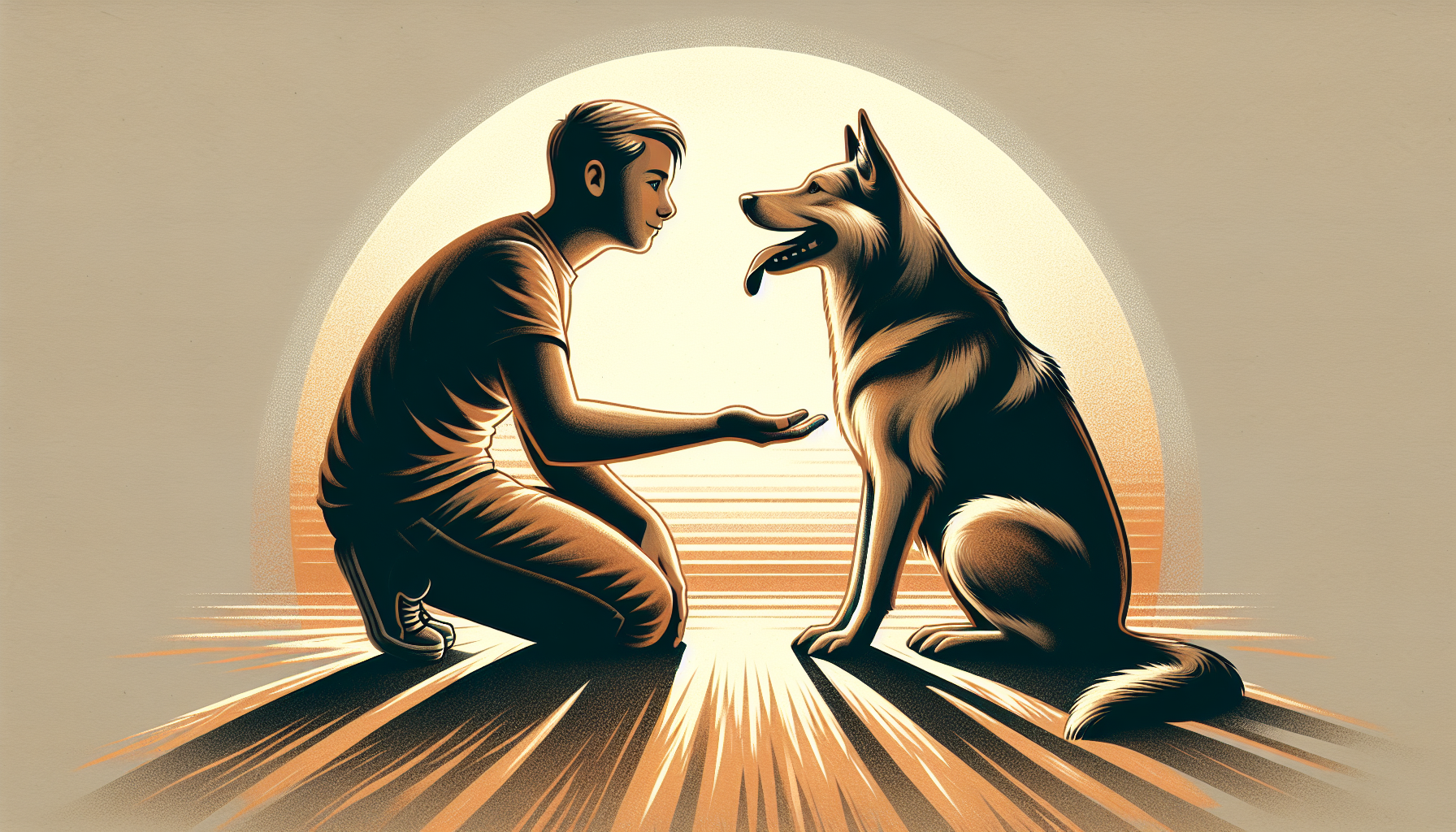
Ever noticed how your pup seems to follow your every command with an eager twinkle in its eyes? That’s the pack mentality at work. Originating from their wolf ancestors, dogs view their human families as their pack, seeking guidance and clear rules from their owners—acting as the pack leader—thus fostering a bond of unwavering loyalty.
This same pack mentality aligns closely with our own social behavior, creating a mutual trust that not only demands care but rewards us with a loyal companion for life. And it’s this deeply rooted bond, cultivated over 30,000 years of domestication, that truly makes dogs love their human counterparts unconditionally.
Pack Animals vs. Solitary Creatures
While dogs bask in the joy of companionship, cats march to the beat of their own drum as solitary animals. Our canine friends thrive in the company of their pack, which could include other dogs or their human family members. This pack mentality is embedded in their DNA, affecting everything from their daily behavior to how they’re trained. Indeed, dogs rule when it comes to social interactions and bonding.
On the flip side, our feline friends simply don’t share the same social wiring as cat lovers might expect. Cats may stress out when forced to share their space with others, especially with the gritty kitty litter underfoot near their litter box, unless they form a strong bond, which isn’t always a given.
Unwavering Loyalty
Dogs’ loyalty runs deeper than just being fiercely protective; it’s about forming an emotional connection without expecting anything in return. A dog who has a selective bond with its favorite humans goes beyond treat-based relationships. Despite receiving treats from a certain customer for over a year, a dog's loyalty remained unwavering. It demonstrates that dogs’ loyalty is not for sale—it’s built on a foundation of trust and companionship.
Canine Protection: Guarding Your Home and Heart

When it comes to keeping you safe, dogs are in a league of their own. With their sharp sense of smell and incredible hearing, they’re naturally equipped to be better guard animals than their feline counterparts. It’s not just about barking at the mailman; dogs like Belgian Malinois and Doberman Pinschers have distinct protective traits, ready to confront any threat to their owners with a growl or, if necessary, physical action.
Fiercely Protective Instincts
Dogs’ instinctive desire to protect their territory and owners is what sets them apart from the "scaredy cats" of the animal kingdom, showcasing the age-old battle between these two popular pets. Whether it’s a Bullmastiff standing guard or a Giant Schnauzer keeping a vigilant eye, dogs have a protective nature that’s hard to find in cats.
While a cat might give a hiss or two at an intruder, dogs have valuable traits that can make owners dogs, even a cat person, feel incredibly safe in their homes, despite the fact that cats drool. However, helpful thing cats do is alerting their owners to potential threats with their heightened senses.
Emotional Support Dogs
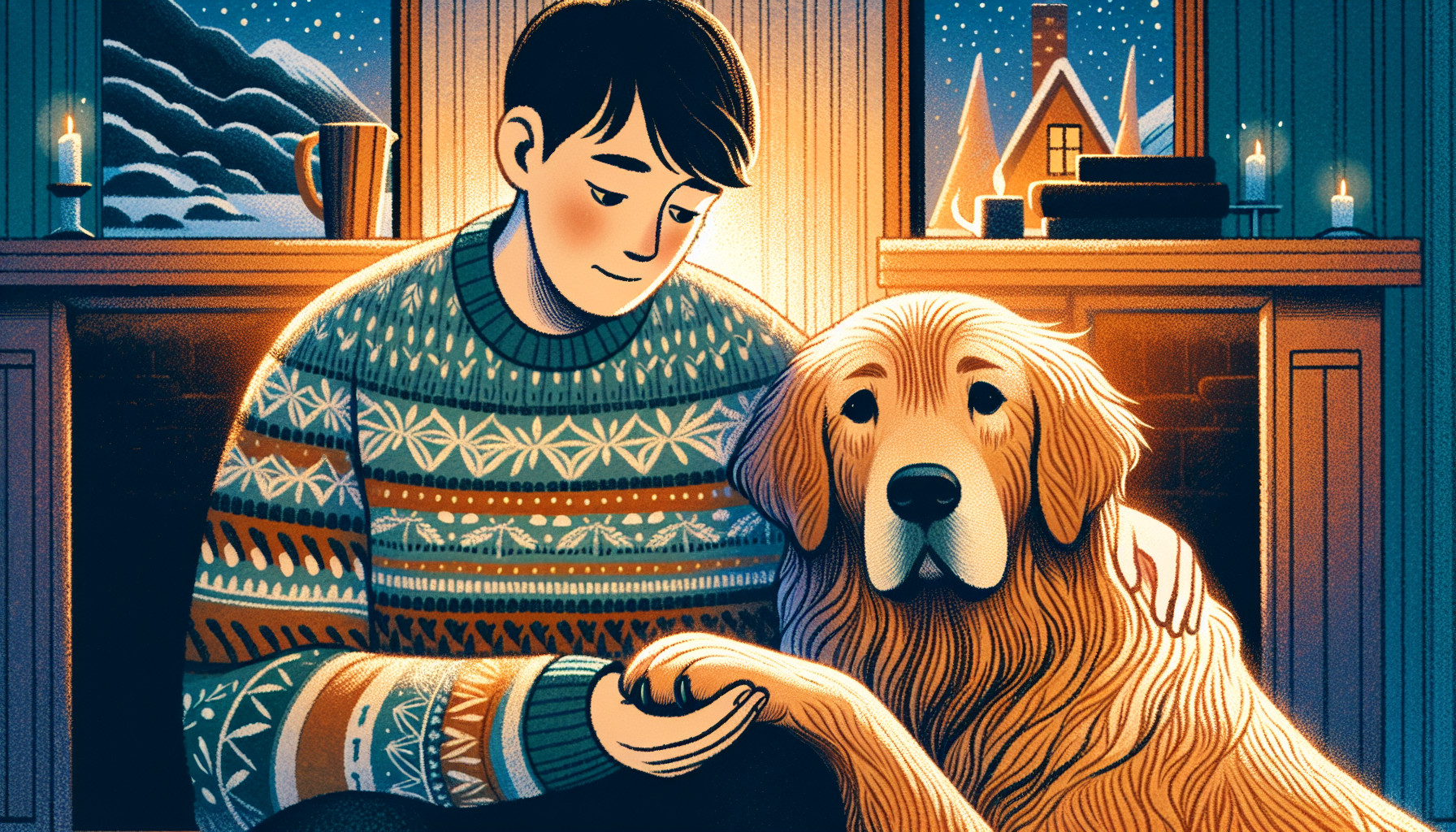
Beyond their protective instincts, dogs are the unsung heroes of emotional support. They’re not just pets; they’re therapists with tails. Dogs have a knack for offering comfort and companionship, intuitively responding to their owners’ emotional states.
Service dogs, for instance, are lifesavers for those with mental health issues, drawing attention away from distressing symptoms and helping maintain a positive identity for their handlers.
Social Butterflies: Dogs and Human Interaction
Dogs aren’t just for cuddles on the couch; they’re social butterflies, getting us out and about, mixing and mingling with fellow dog people. Owning a dog can literally expand your social network, transforming a simple walk into social receptions. With every tail wag and friendly bark, dogs pave the way for conversations and connections, making them the perfect wingman for introverts and extroverts alike.
Dog Park Adventures
There’s nothing quite like a day at the dog park to witness the magic of canine-fueled camaraderie. It’s where new friendships are sparked over poop bag exchanges and tales of dig car rides. Dog parks are unique social hubs, where dogs and their owners bond over their love for their furry friends.
Parks give dogs a safe space to release energy and learn how to interact well...
Moreover, these parks give dogs a safe space to release energy and learn how to interact well with other dogs and humans.
Night Owl Cats vs. Outgoing Dogs
While cats may have their nocturnal antics, dogs are the life of the daytime party. Unlike their feline counterparts, who prefer the cover of darkness to play and explore, dogs are ready and raring for action when the sun is up. They thrive on activities like fetch and long walks, which not only keep them healthy but also play a vital role in their socialization.
From Puppies to Prodigies: Training Your Canine Companion
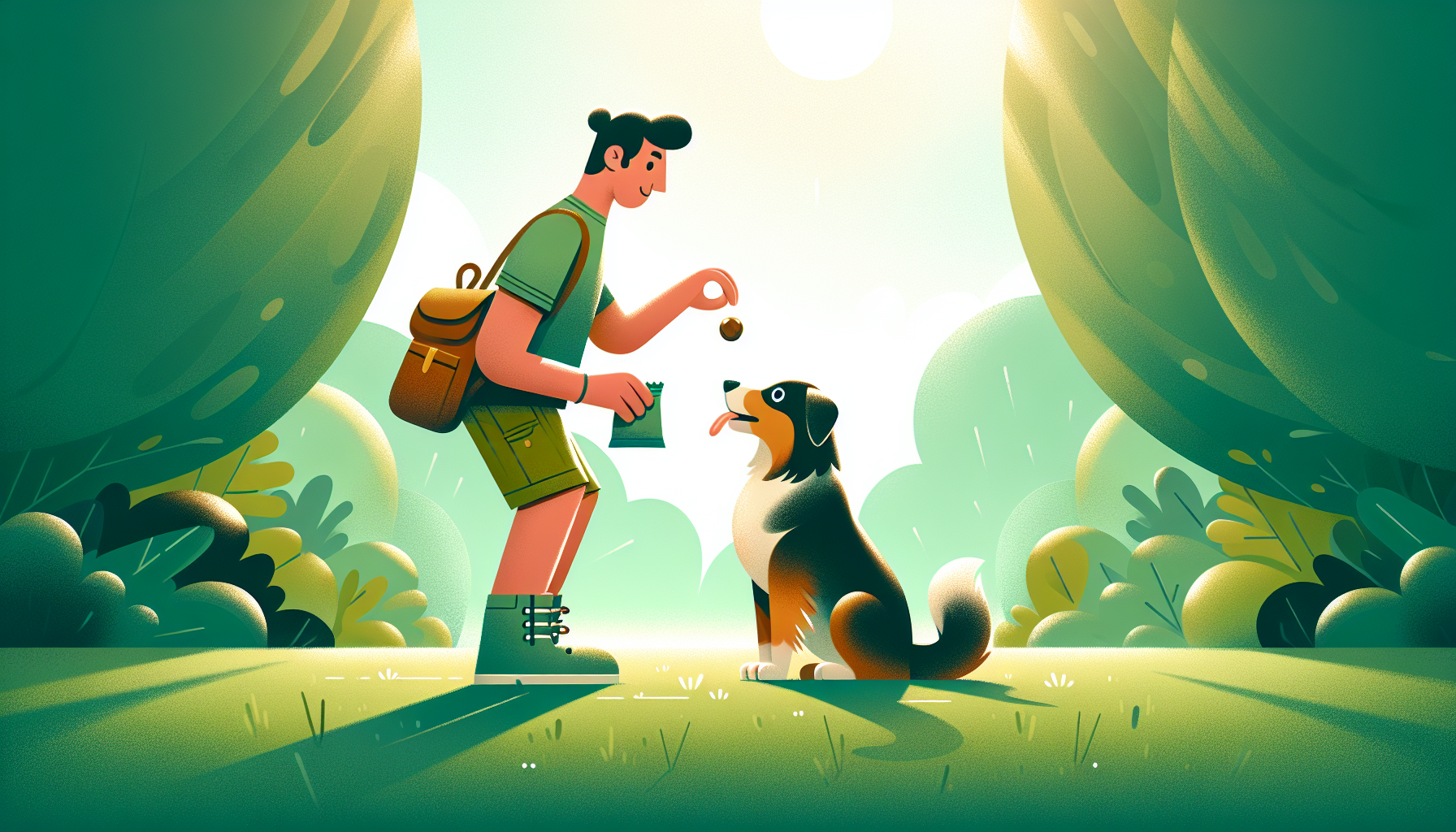
From simple commands like ‘sit’ and ‘stay’ to more intricate tasks, dogs are incredibly trainable. With their desire to please and their pack mentality, they revel in the challenge and the rewards training brings. This trainability is a testament to their role as social animals, always eager to learn new ways to interact and please their human pack leader.
Trainable Dogs vs. Independent Cats
Cats may have a reputation for doing their own thing, but small dogs like the Jack Russell Terrier are showstoppers in the training department. These pint-sized pups pack a punch when it comes to learning new tricks and excelling in dog sports, proving that size isn’t a barrier to a dog’s ability to learn and perform.
Assisting People in Need
Service dogs are not just companions; they’re heroes in harnesses. Recognized under the ADA, these dogs are trained to assist individuals with disabilities in a myriad of ways—from helping with mobility to responding to medical emergencies.
Their presence has been shown to have measurable positive effects on the health and well-being of their handlers, making them invaluable partners in life and proving that owners live healthier lifestyles.
A World of Variety: The Many Shapes and Sizes of Dogs
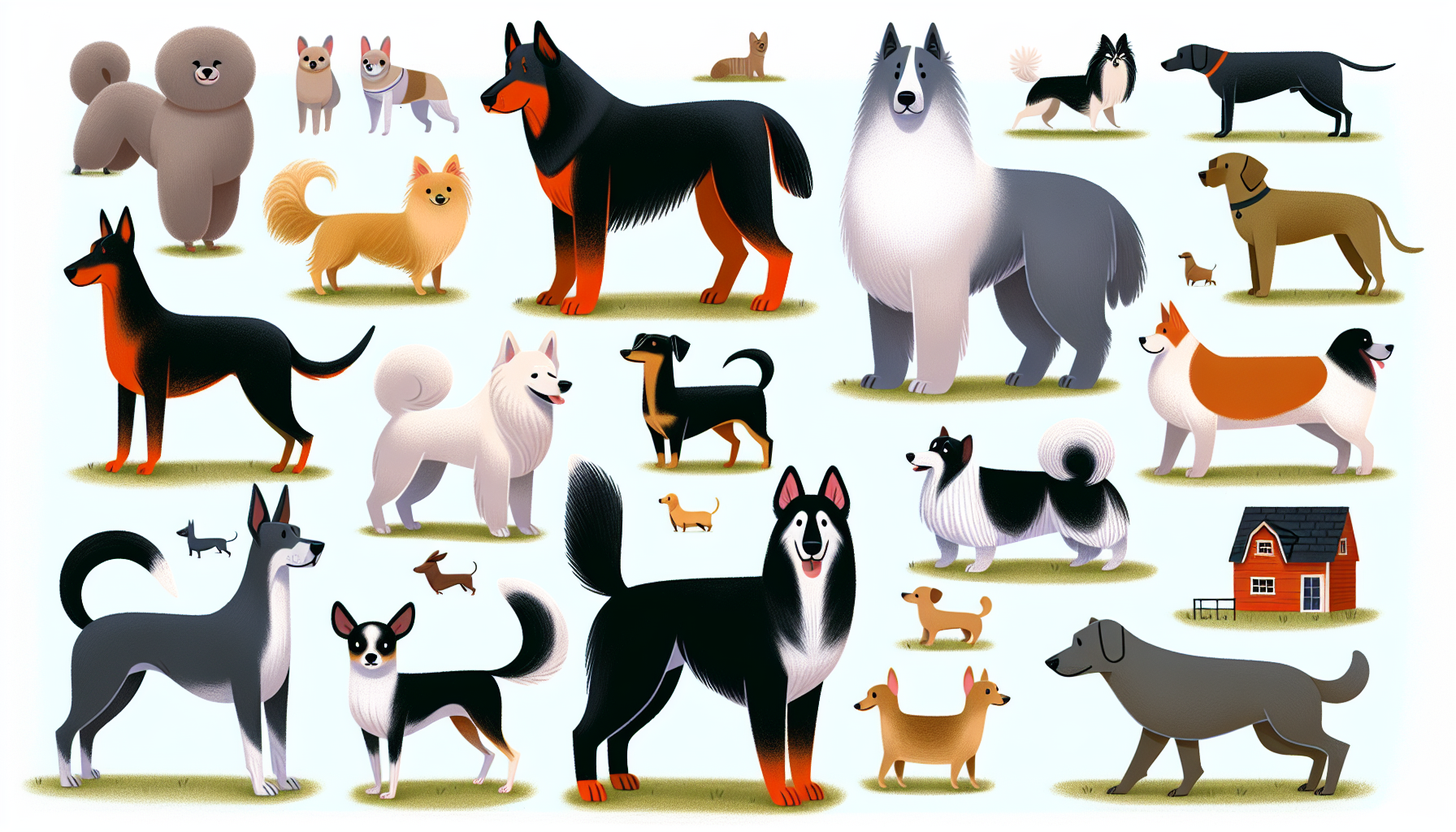
One thing’s for sure, there’s no one-size-fits-all when it comes to dogs. From the tiny, tenacious Terrier to the grand, gentle Great Dane, the canine world is a tapestry of variety. This diversity means there’s a dog for almost every home, lifestyle, and personality, with each breed bringing its own unique flair to the dog park. In fact, most dogs enjoy the socialization and exercise that a dog park provides.
Small Dogs, Big Personalities
Don’t let their size fool you—small dogs have personalities larger than life. Some examples of small dog breeds with unique traits include:
- Alaskan Klee Kai: energetic and curious
- Chihuahua: confident and sassy
- Pomeranian: lively and extroverted
- Shih Tzu: affectionate and outgoing
- French Bulldog: playful and adaptable
These small breeds, like the Cavalier King Charles Spaniel, prove that personality isn’t measured in inches.
From Couch Potato to Athlete: Dog Energy Levels
Much like their human companions, dogs come with a variety of energy levels. Some breeds are enthusiastic athletes, requiring regular, vigorous exercise, while others are content being couch potato homebodies.
NOTE
Understanding your dog’s energy needs is crucial for a harmonious household, whether you’re out running marathons with a Siberian Husky or enjoying a leisurely stroll with a Bulldog.
Summary
In the great debate of cats vs. dogs, the scales tip in favor of our barking buddies. We’ve trotted through tales of loyalty, protection, social benefits, trainability, and the immense variety that dogs bring into our lives. Remember, whether you’re seeking a guardian, a therapist, a social connector, or a diverse companion, dogs deliver in ways that transcend the pet-owner relationship, making them an unparalleled choice for a furry family member.
Frequently Asked Questions
Having a dog is better than having a cat because dogs are more trainable, can protect you, and promote a more active lifestyle. So, if you want a pet that offers these benefits, a dog might be the better choice for you.
Dogs obey better than cats because they are more dependent on their trainers, love being part of the family, and are motivated by food. They are trained to fulfill important functions as working and guide dogs. So, your dog will happily learn tricks for a tasty reward!
Dogs have a strong pack mentality because they inherit it from their wolf ancestors, seeing their human families as part of the pack and relying on them for guidance, which creates a strong bond and loyalty.
Yes, dogs can be better guards than cats because they have a sharp sense of smell, incredible hearing, and innate guarding instincts. So if you're looking for a guard, a dog might be the better choice!
Having a dog can help you meet new people and expand your social circle because they encourage interactions with others due to their friendly and approachable nature.